
 ts admin
 May 28, 2026

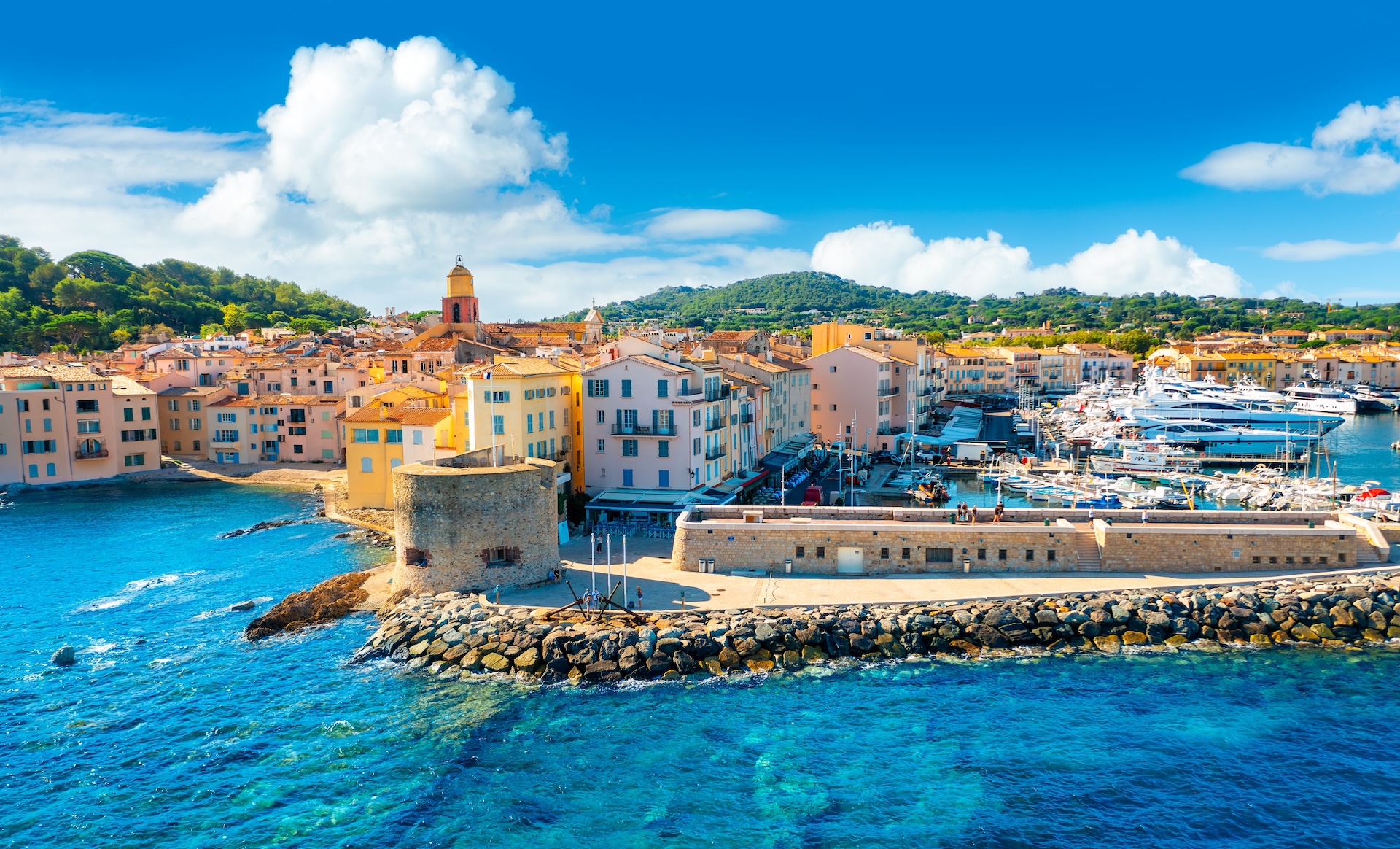
There is a specific quality of light in Saint-Tropez — warm, Mediterranean, perpetually golden — that makes certain shades of blonde look like they couldn’t exist anywhere else on earth. That quality isn’t magic. It’s craft.
If you’ve ever stood on the Vieux Port at midday and wondered why the woman stepping off a yacht seems to have hair that simply glows differently, you’re not imagining it. The interplay between the Riviera’s unique sunlight, the sea’s reflective bounce, and the way color is applied at a salon with 20 years of Côte d’Azur expertise creates something that a photo can almost — but not quite — capture.
At Blake Charles Salon Saint-Tropez — formerly Salon Le Boudoir, the most enduring luxury salon on the French Riviera — we have been perfecting this effect for over two decades. This guide explains exactly what creates it, and how we help clients from around the world arrive in Saint-Tropez ready to wear it, or leave with it beautifully intact.
Understanding the Look Heading: What “Saint-Tropez Hair” Actually Means
The phrase balayage is French for “to sweep,” and it was born on the Riviera — developed in Paris salons in the 1970s as colorists looked for a way to replicate the way Mediterranean sun naturally bleaches hair from mid-shaft to tip. The technique swept color onto the surface of sections rather than saturating them from root to end, creating graduation and dimension rather than uniform lift.
But the balayage you see in Saint-Tropez in summer — on the terrace of Sénéquier, along the beaches of Pampelonne, at an evening table in Ramatuelle — isn’t simply any balayage. It has specific characteristics that set it apart from work done in colder, less luminous climates.
The three defining qualities
Warmth, not coolness. Trend-driven salons in northern cities often push balayage toward very ashy, almost silver-beige tones. These look striking under artificial light but can appear flat and grey under the saturating warmth of Riviera sun. Saint-Tropez balayage leans into golden wheat, toasted honey, and champagne — tones that absorb warm light rather than deflect it.
Depth at the root. The instinct for many clients is to go as light as possible. The counterintuitive secret of truly great Riviera hair color is restraint at the root. Deep, cool brunette or rich natural bases allowed to breathe beneath bright, warm ends create the contrast that makes hair look three-dimensional outdoors. Without that darkness, the color reads flat.
Softness of transition. Hard lines between light and dark sections — even blended ones — catch differently under intense sun. The best Saint-Tropez colorists spend considerable time in the toning stage, softening every transition until the graduation is entirely invisible. The goal is for observers to believe it isn’t color at all.
Pull Quote: “The goal is always to make someone believe the light did this, not the colorist. That’s the difference between good balayage and great balayage.”
The Science Heading: Why Mediterranean Light Changes Everything
Color perception is, at its core, a function of light. The Mediterranean sun sits at a different angle and contains a higher proportion of warm-spectrum wavelengths than northern European or North American daylight. It’s also reflected and amplified by the sea, creating a fill-light effect from below that is almost impossible to replicate indoors.
Under this light, cool tones absorb rather than reflect, losing luminosity. Warm golden tones, meanwhile, become almost luminescent — they catch the light from multiple angles simultaneously. Hair that looks perfectly lovely in London or San Francisco can appear dull against the white limestone walls and bright blue sea of Saint-Tropez. And hair that was formulated to thrive under that specific quality of light becomes something else entirely.
This is why our colorists at Blake Charles Salon Saint-Tropez approach every formula with the outdoor environment in mind first. We are not coloring hair for a salon photograph. We are coloring hair for the port, the beach, the terrace, and the boat.
How We Create the Effect: 5 Techniques from Our Colorists
Over two decades of work on the French Riviera, our team has refined a precise approach to achieving color that performs in extreme Mediterranean conditions. Here is how that process works.
The Blake Charles Saint-Tropez Method
- Pre-Color Consultation Outdoors. Whenever possible, our consultation includes a brief step outside to assess the client’s natural hair in actual daylight. What we see indoors under LED light is never the full picture. Natural light reveals undertones, porosity, and existing warmth or brassiness that determines our entire formula approach.
- Section Selection Based on Movement. Rather than standard partings, our colorists select sections based on how the client’s hair naturally moves. We identify which strands catch light when the hair falls naturally — those are the sections that receive the most lift. Sections that fall beneath are left deeper. The result is color that only reveals itself with movement.
- Multi-Level Toning. We never tone in one pass. After lifting, we apply a first tone — typically a warm neutral — to the entire colored area, then return with a second, slightly cooler gloss applied only to the tips. This creates a subtle shift from warm-mid to cooler-bright that reads as natural sun graduation rather than single-formula color.
- Customized Formulation for Warm Climates. Our formulas are calibrated with a slight warm bias relative to what we’d apply in San Francisco. The sea air, the sun, and weeks of swimming all deposit cool casts onto the hair over time. A formula that begins with warm gold will arrive at sun-kissed champagne by August. We color for where the hair will end up, not where it starts.
- Treatment as Finishing. A Kerastase Fusio-Dose treatment is applied at every hair color service — not as an afterthought, but as part of the color itself. Hydrated, sealed hair reflects light cleanly. Dry or porous hair scatters it. That glassy finish clients notice is as much about condition as it is about shade.
Before You Arrive Heading: Planning Your Color Before a Saint-Tropez Summer
One of the most common questions we receive — particularly from clients traveling from our San Francisco and Granite Bay locations — is how to prepare their hair in advance of an extended stay on the Riviera.
The honest answer is that the best Saint-Tropez color is done in Saint-Tropez. Not because our colorists couldn’t prepare beautiful work elsewhere, but because the variables of how a client will spend their time here — the hours in the sea, the sun exposure, the specific light they’ll be photographed in — are best accounted for by someone who lives and works in this environment daily.
That said, there are meaningful steps to take before you arrive:
Six to eight weeks before: If you’re planning to go significantly lighter, begin the process in advance. Healthy, well-maintained hair lifts more evenly and holds tone far longer than hair that has been compromised by damage or chemical buildup. Schedule a treatment series to strengthen the hair before any major color work begins.
Three to four weeks before: An ideal time for a base refinement — establishing the depth and richness at the root that will frame your lighter work beautifully. Avoid going too light at this stage; the goal is preparation, not the final result.
On arrival: Allow two to three days to settle before your salon appointment. Your hair will reveal its natural state — its response to sea air, any brassiness from sun exposure on the journey — before we begin. The consultation becomes far more accurate as a result. To get ahead of the summer rush, we recommend contacting the salon to reserve your appointment before you travel. You can also explore our full range of Saint-Tropez luxury services before you arrive.
Common Questions Heading: Asked by Clients, Answered by Our Colorists
Q: How is Saint-Tropez balayage different from regular balayage? A: The technique itself is similar, but the formulation and intent differ significantly. Saint-Tropez balayage is specifically calibrated for warm Mediterranean light, heavy sun exposure, and frequent sea swimming. Formulas lean warmer, transitions are softer, and the toning process is more layered than in typical salon work. The result is color designed to look its best outdoors in intense sunlight — and to remain beautiful through weeks of Riviera activity.
Q: What is the best hair color for the French Riviera? A: Warm-toned balayage — golden blonde, honey, and champagne with natural depth at the root — performs best in Riviera conditions. Cool, ashy tones tend to appear flat under Mediterranean sun and can develop an unwanted grey cast after sun and sea exposure. Rich brunettes with warm highlights also look exceptional. The common thread is warmth and dimension: both catch and amplify the quality of light specific to the South of France. View our full hair color menu to explore what’s possible.
Q: How do I maintain balayage during a summer in Saint-Tropez? A: The two primary enemies of color in Saint-Tropez are UV exposure and chlorine or salt water. A UV-protective hair oil or mist applied before sun exposure makes a significant difference. After swimming, rinse with fresh water immediately and apply a light leave-in conditioner. We recommend a toning gloss mid-season — typically four to six weeks in — to refresh warmth and rehydrate. Avoid washing hair immediately after ocean swimming; let the natural oils rebalance first.
Q: Can clients visiting Saint-Tropez book a color appointment at Blake Charles Salon? A: Yes. We welcome both local clients and visitors from around the world at our Saint-Tropez location — formerly Salon Le Boudoir, serving the Riviera for over 20 years. We offer hair color, balayage, precision cuts, event styling, makeup, and nail services. We recommend booking in advance during the summer season, particularly for July and August, as availability fills quickly. Book your appointment here.
Q: Is Blake Charles Salon Saint-Tropez the same as Salon Le Boudoir? A: Yes. Blake Charles Salon Saint-Tropez is built on the heritage and team of Salon Le Boudoir, which was recognized as one of the best hair salons in Saint-Tropez and on the French Riviera for more than 20 years. The same level of expertise, discretion, and craftsmanship continues under the Blake Charles name, now joined with the award-winning international vision of Blake Charles Salon — recognized as the best hair salon in San Francisco and the Bay Area.
A Final Word Heading: The Light Doesn’t Do It Alone
Saint-Tropez has a way of making everything look more beautiful — the boats, the architecture, the food, the sky. Hair is no exception. But the light doesn’t do the work alone. Behind every set of luminous, effortlessly sun-kissed waves is a colorist who understood the environment and formulated for it with precision.
That is what we have been doing at this address on the French Riviera for more than twenty years. And it is what Blake Charles Salon continues — now with the added depth of an award-winning international team and a sustainable approach to luxury beauty that is rare on the Riviera.
Whether you’re visiting for a week or spending the season, we’d love to welcome you to the salon. The light here is extraordinary. Let us make sure your hair deserves it.
 English
  French